





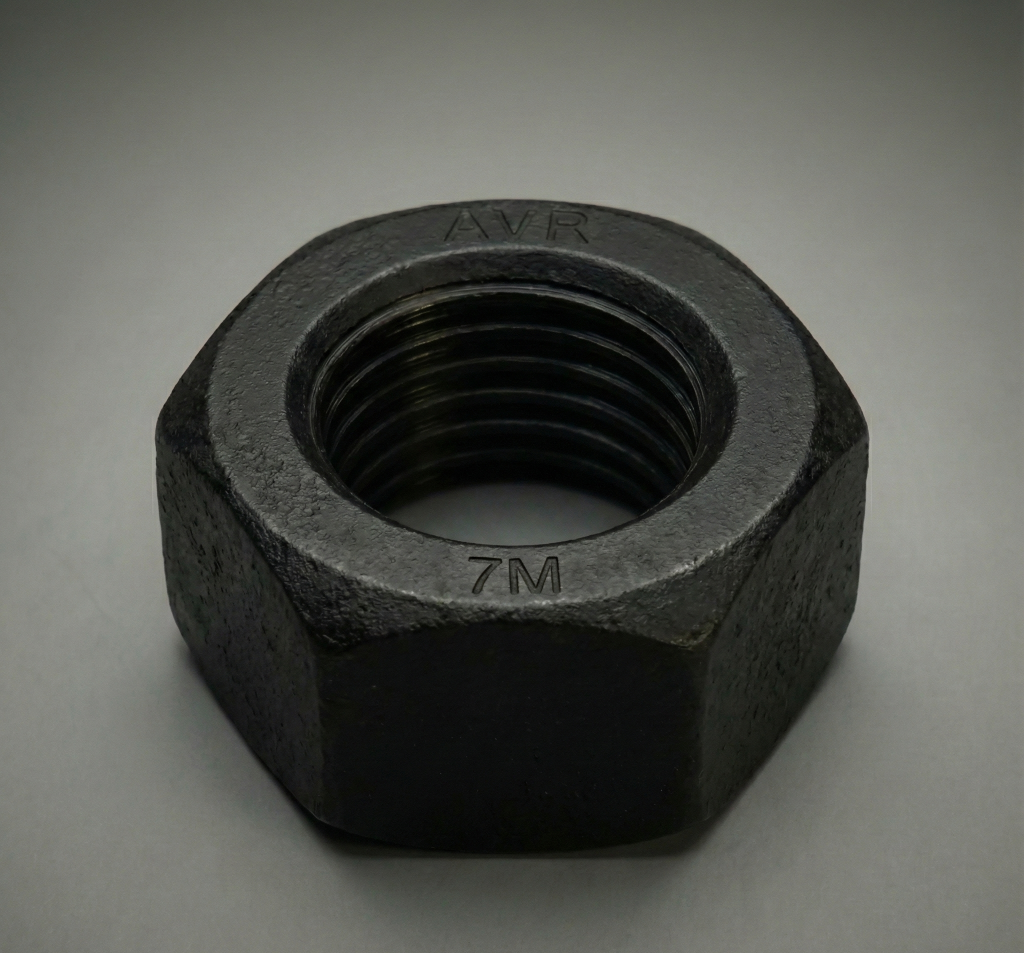
ASTM A194 Grade 7M hexagonal nuts, developed for use in low-temperature conditions, normalized and tempered made of alloy steel These are the nuts produced. With their high impact resistance and tensile strength, they offer a reliable solution, particularly in connection systems exposed to pressure and low temperatures. Preferred for critical applications, these nuts are widely used in the petrochemical, energy, and heavy industry sectors.
| Feature | |
| Standard | ASME |
| Material | Alloy Steel |
| Material Quality | ASTM A 194 Grade 7M |
| Coating | Electrogalvanized (White/Yellow), Hot-Dip Galvanized (HDG), Nickel, Black Oxide, Dacromet, Geomet |
| Tooth Type | Metric Coarse Thread, Metric Fine Thread (optional) |
| Measurement Range | From M10 to M80, 1/2″ – 3″ |
| Production Method | Hot Forging, Machining |
| Thread Direction | Right-Hand Thread (standard) / Left-Hand Thread (upon request) |
- Pressure vessel connections
- Industrial piping systems
- Petrochemical plants
- Refinery assembly lines
- Energy production facilities
- Systems operating in low-temperature environments
- Compressor and valve connection points
- ISO 9001:2015 Quality Management System
- ISO 14001:2015 Environmental Management System
- ISO 45001:2018 Occupational Health and Safety Management System
- EU Declaration of Conformity (PED) certificate (Compliance with the Pressure Equipment Directive)
- Our production processes, DIN, EN, ISO, and ASTM is fully compliant with the standards
- Upon request EN 10204 3.1 certificate is provided
Grade 7M hex nuts are made of medium carbon alloy steel in accordance with the ASTM A194 standard and have impact resistance at low temperatures. They are preferred in connection systems requiring high safety, especially in low-temperature applications down to -50°C.
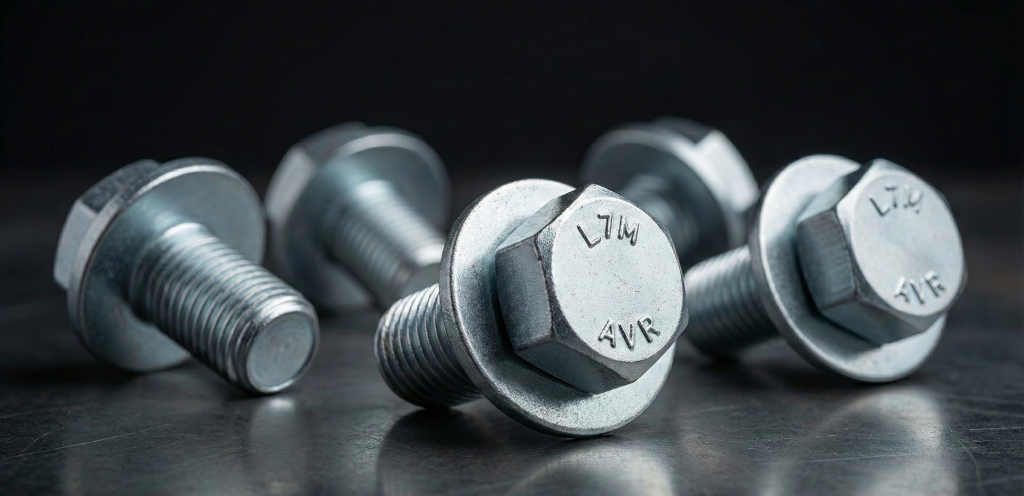
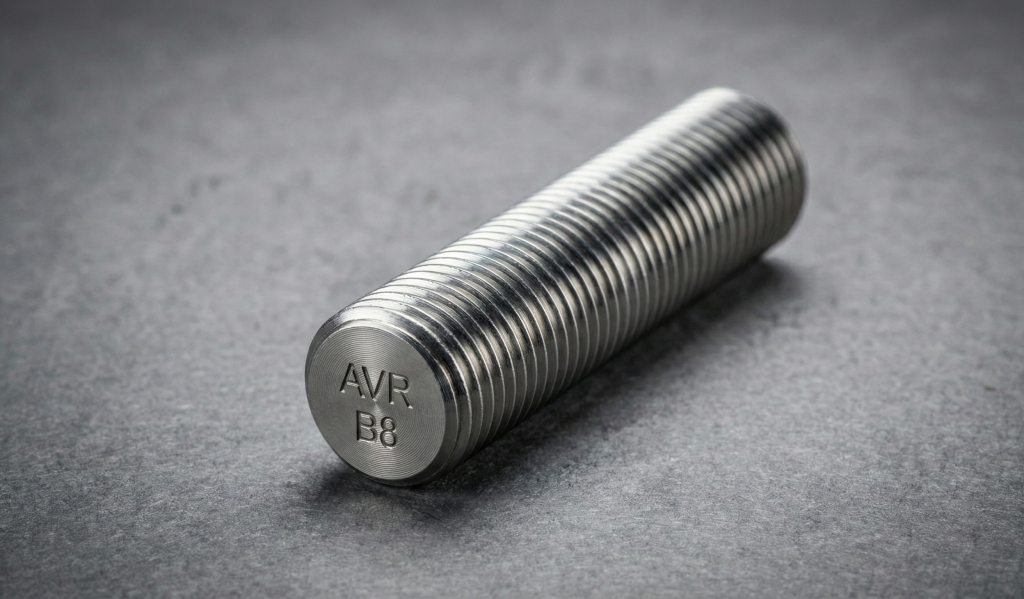
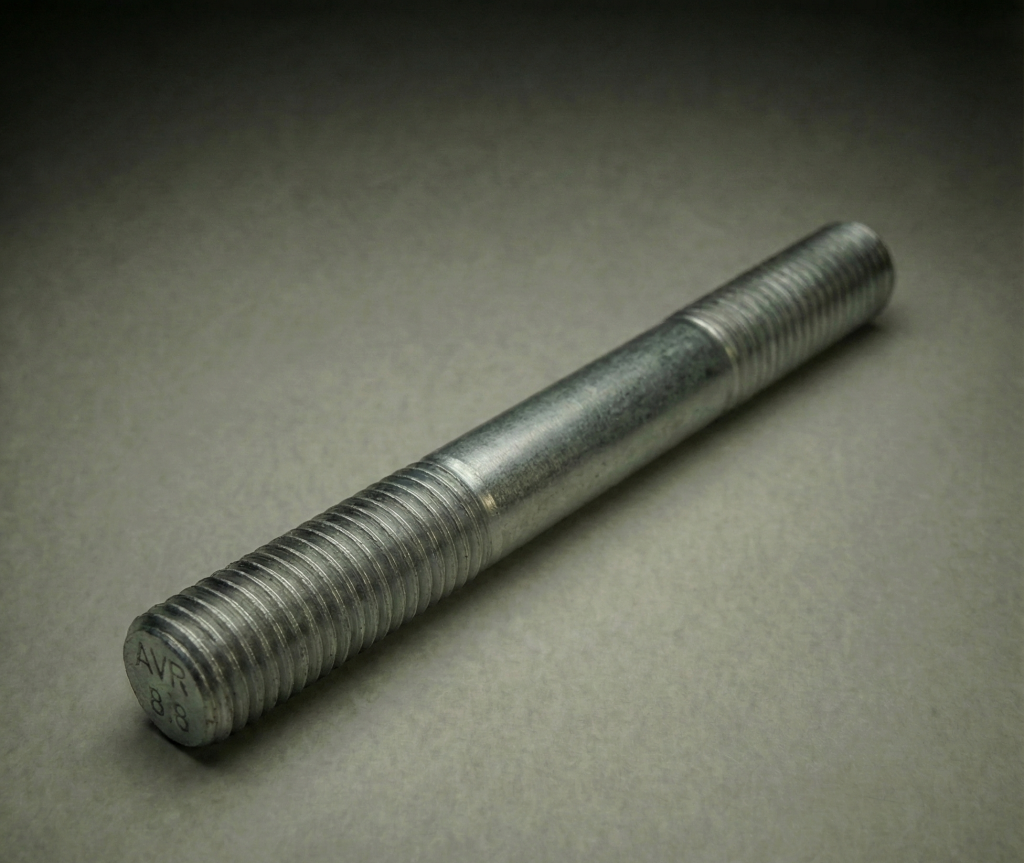
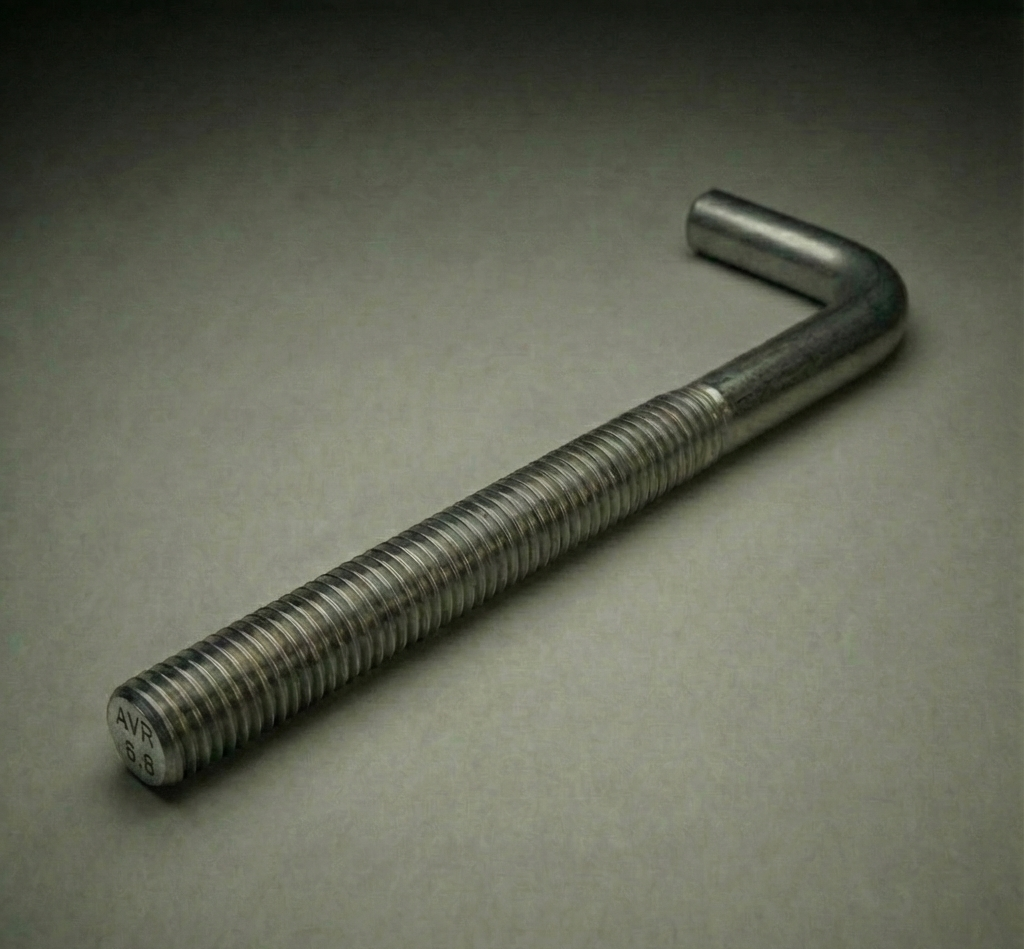
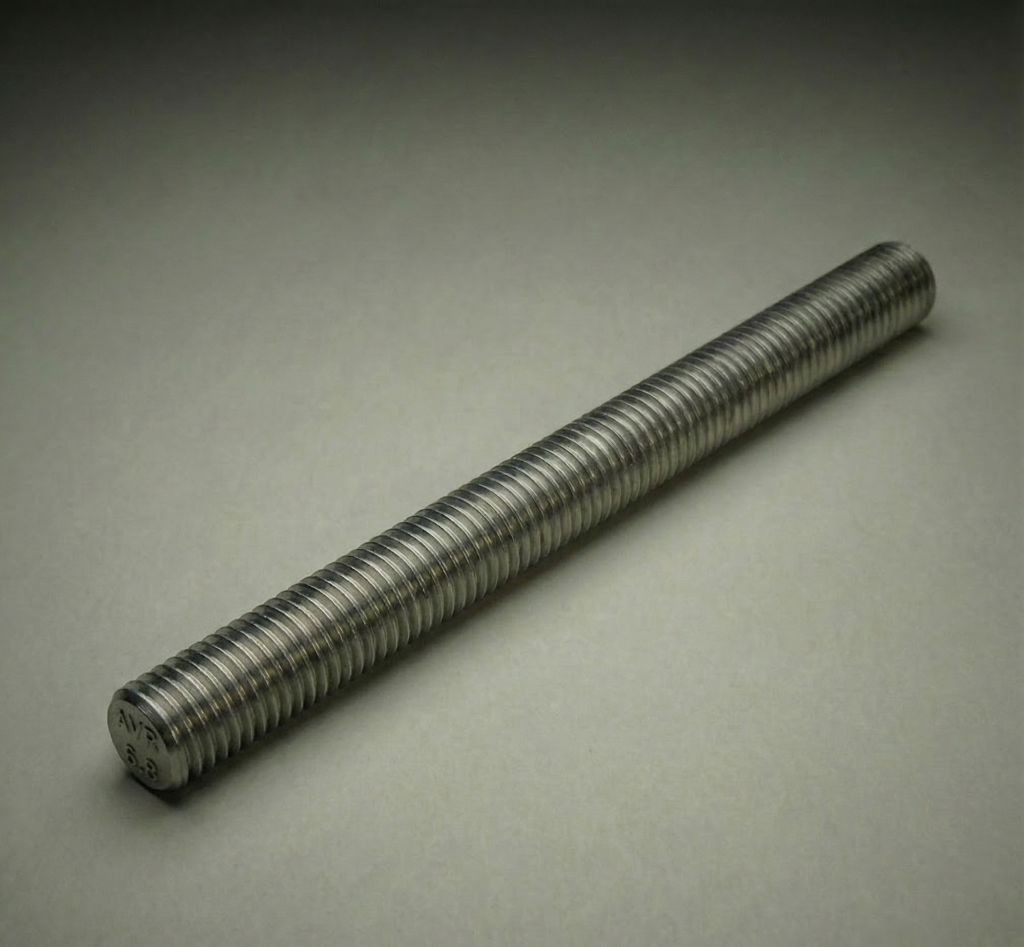
These nuts are typically used with ASTM A320 Grade L7 or ASTM A193 Grade B7M studs. This combination provides resistance to both pressure and temperature changes. Material compatibility ensures connection safety and long-lasting performance.
Its primary applications include power plants, LNG facilities, the chemical and petrochemical industries, piping systems, flange connections, and industrial facilities located in cold climates. Its high impact resistance and resistance to brittle fracture make it the preferred choice for safety-critical connection points.

 Türkçe
  English
  Русский
  Deutsch
  العربية