





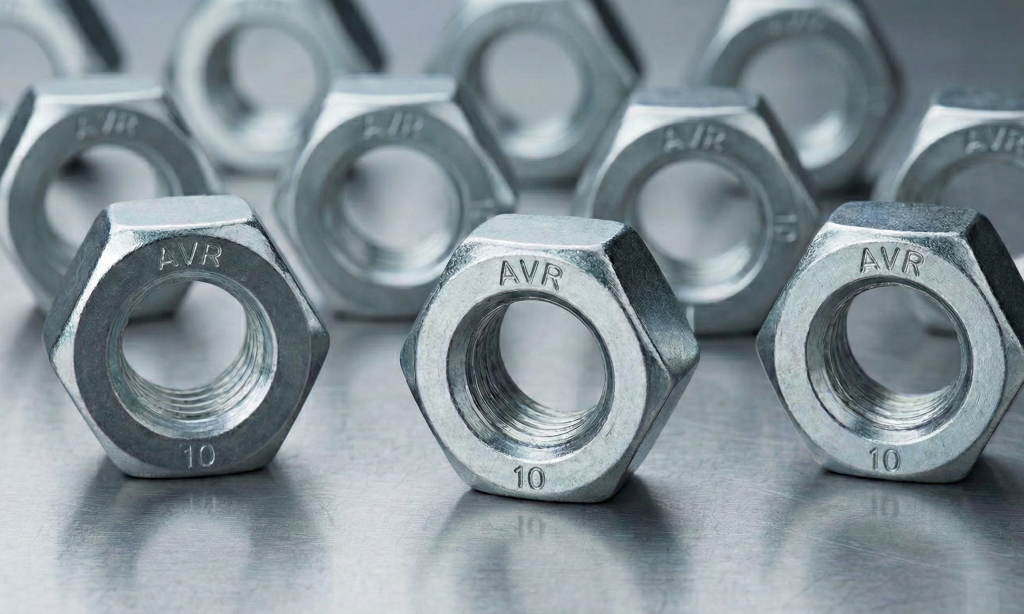
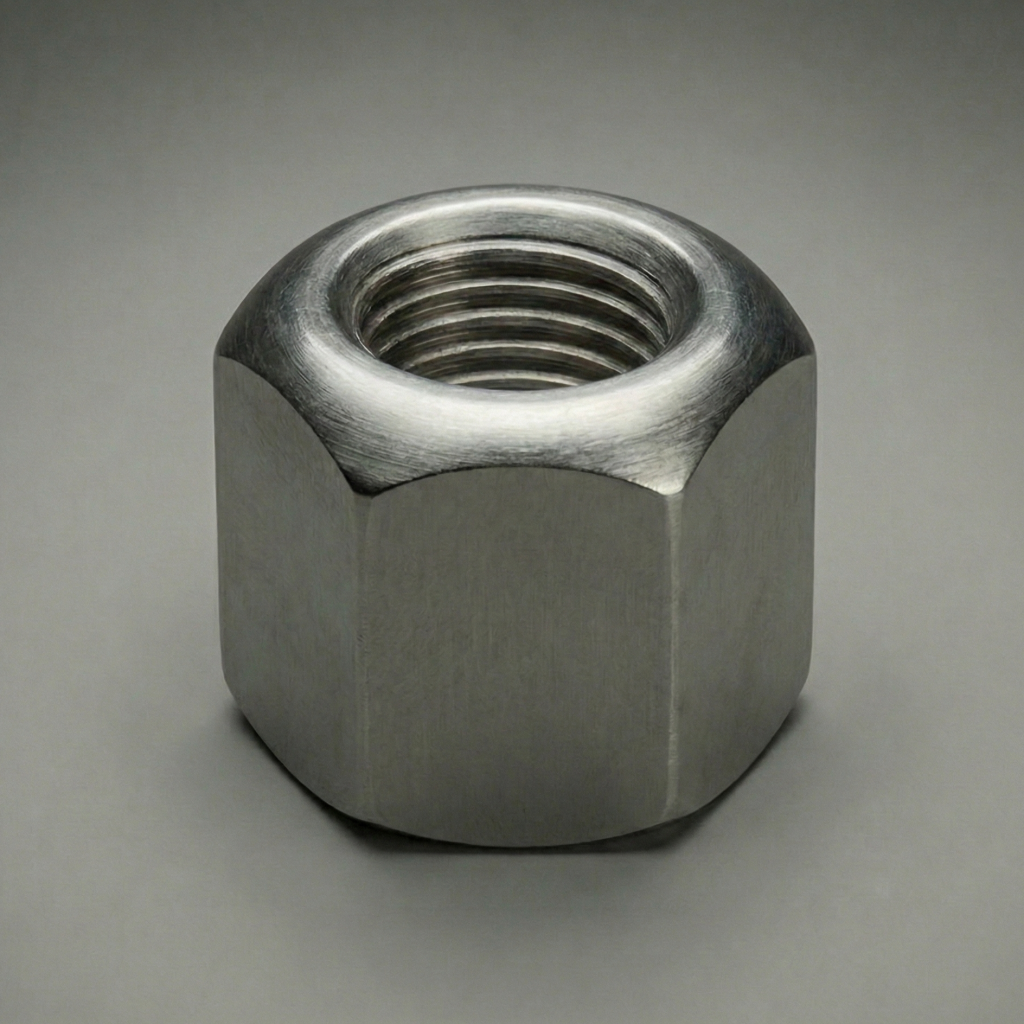
DIN EN ISO 4033, defines hexagonal nuts with an increased height dimension compared to standard nuts. It is one of the modern ISO norms replacing the DIN 934 standard that was widely used in the past, but differs from ISO 4032 in that the nut height is approximately equal to the nominal diameter. This extra height allows more threads to engage. This minimizes the risk of thread stripping of the nut and ensures that the breaking strength of the bolt is fully utilized. It is especially preferred for connections with high strength bolts such as 8.8, 10.9 and 12.9 to distribute the load more homogeneously on the threads.
| Feature | |
| Standard | EN ISO 4033 - Hexagon Nut |
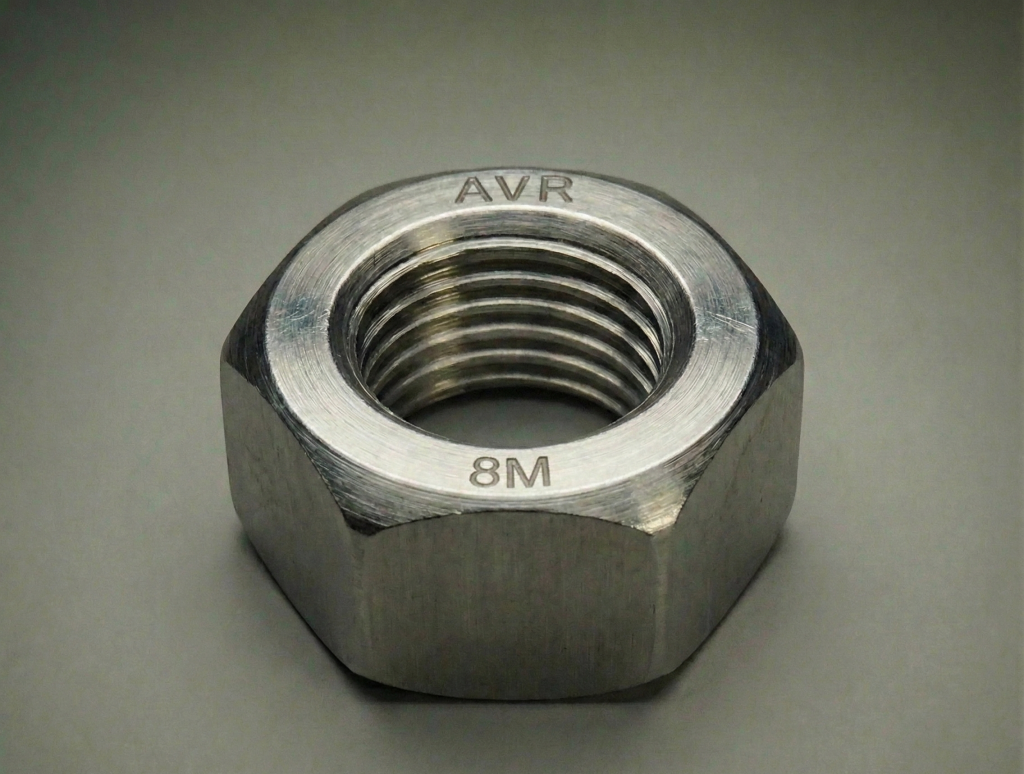
| Material | Carbon Steel, Alloy Steel, Stainless Steel |
| Material Quality | 6, 8, 10, 12, A2, A4 |
| Coating | Electrogalvanized (White/Yellow), Hot-Dip Galvanized (HDG), Nickel, Black Oxide, Geomet |
| Tooth Type | Metric Coarse Thread, Metric Fine Thread (optional) |
| Measurement Range | From M10 to M80 |
| Production Method | Cold Forging, Hot Forging, Machining |
| Thread Direction | Right-Hand Thread (standard) / Left-Hand Thread (upon request) |
- Machine frames requiring high strength
- Steel construction structures
- Automotive and commercial vehicle chassis connections
- Industrial equipment with high vibration
- Critical joints where the risk of tooth stripping cannot be tolerated
- New generation projects designed according to ISO standards
- ISO 9001:2015 Quality Management System
- ISO 14001:2015 Environmental Management System
- ISO 45001:2018 Occupational Health and Safety Management System
- EU Declaration of Conformity (PED) certificate (Compliance with the Pressure Equipment Directive)
- Our production processes, DIN, EN, ISO, and ASTM is fully compliant with the standards
- Upon request EN 10204 3.1 certificate is provided
They are polar opposites. ISO 4035 (former DIN 439) is a “counter nut”, it cannot carry a load, it can only lock (counter). ISO 4033 is a “high nut”, it carries the main load. Never use ISO 4035 alone as the main load-bearing nut.
Both are hexagonal, but ISO 4033 thicker (higher) has a profile and is therefore used in applications requiring higher compression. ISO 4032, on the other hand, has a standard height.
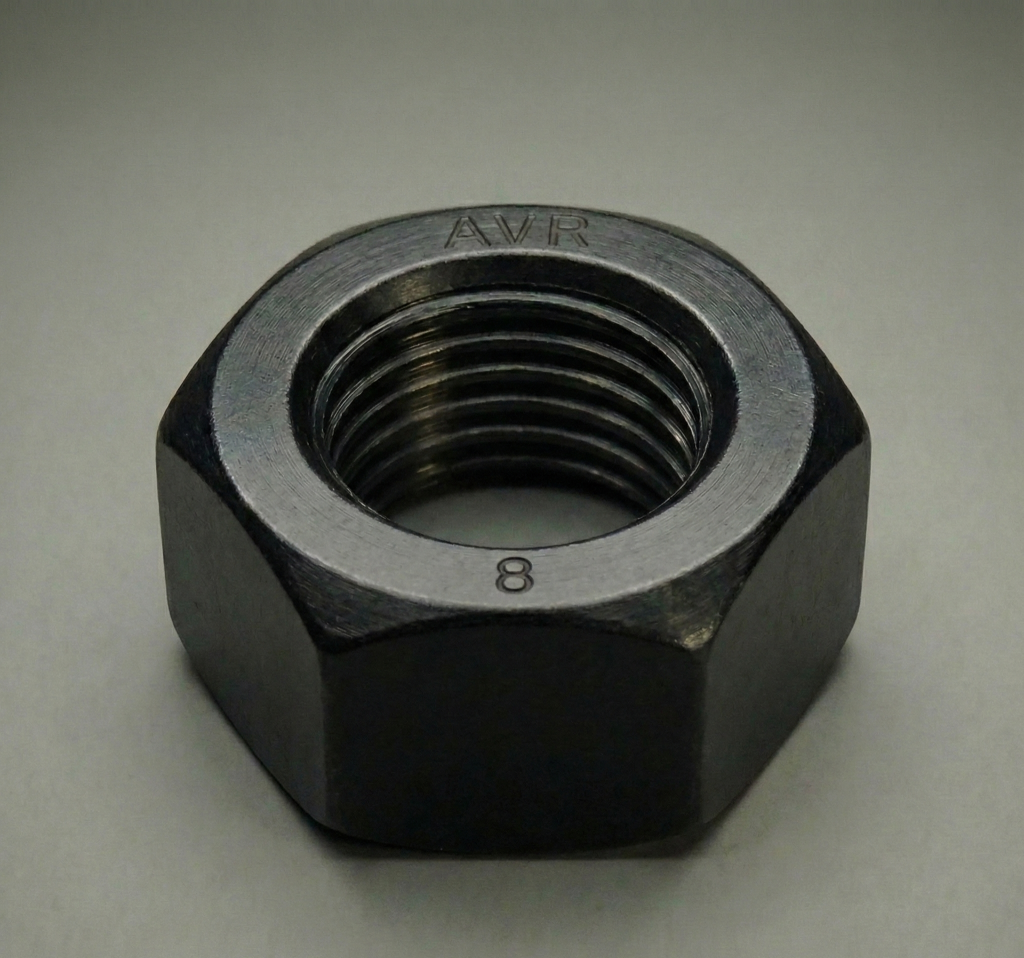
The rule is this: The quality of the nut depends on the quality of the bolt. equal to or higher than must be A 10.9 bolt requires a nut of at least grade 10. If you install an 8 quality nut, the threads of the nut will strip under load and the connection will break.

 Türkçe
  English
  Русский
  Deutsch
  العربية