





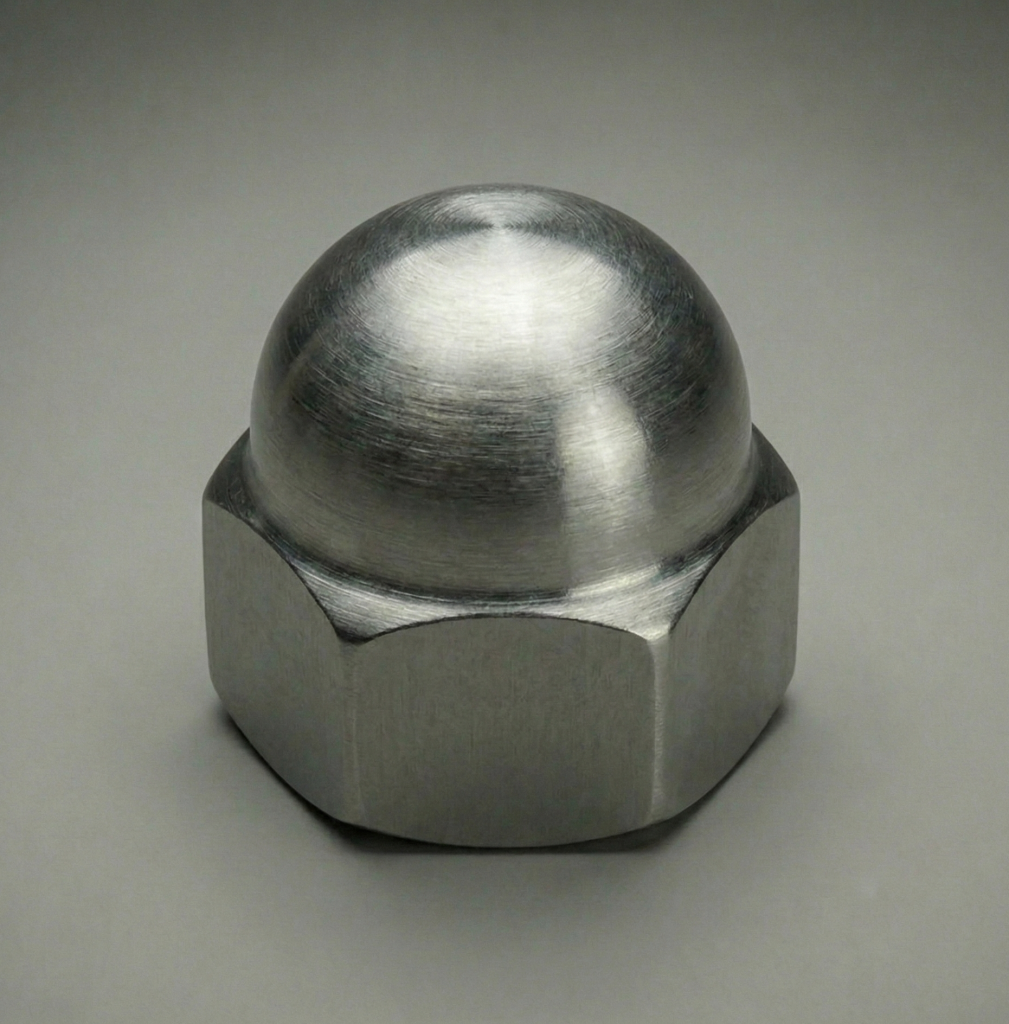
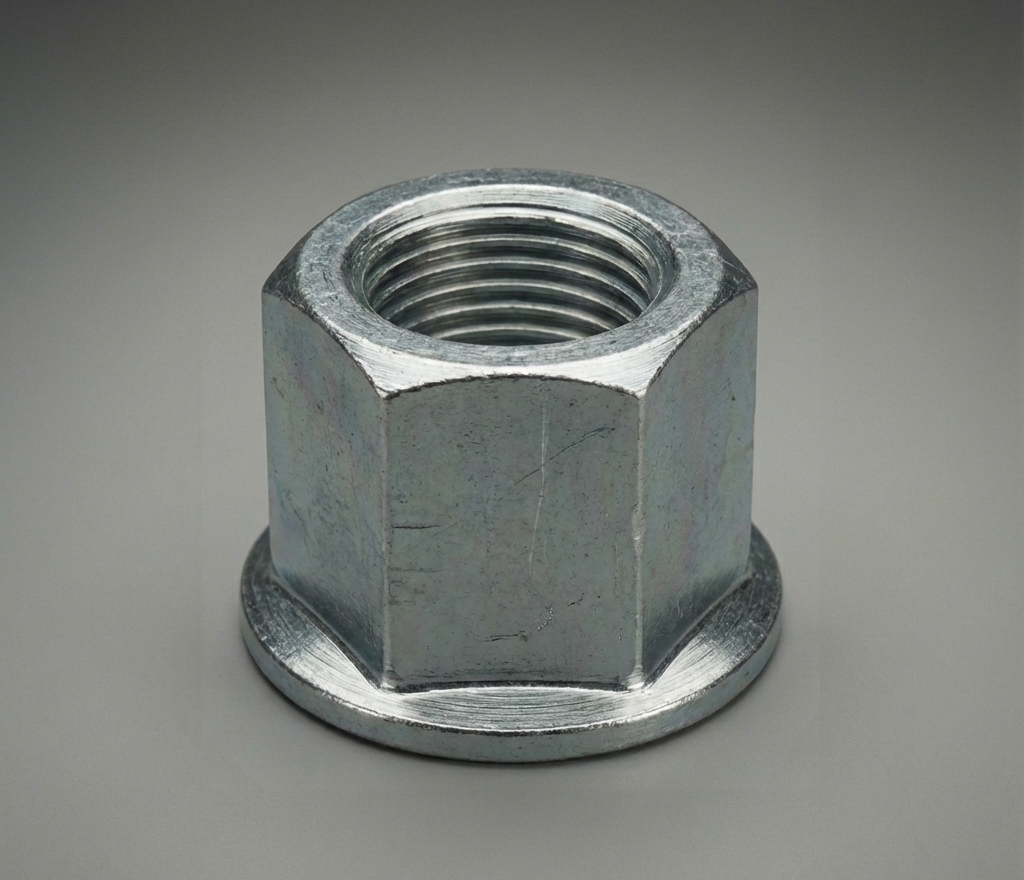
DIN 1587 manufactured in accordance with the standard blind bolts, By covering the threaded ends of fasteners, they serve both an aesthetic and protective function. These hexagonal nuts are preferred to prevent bolts and screws used outdoors from rusting, getting dirty, or being damaged. They have a wide range of applications with different material and coating options.
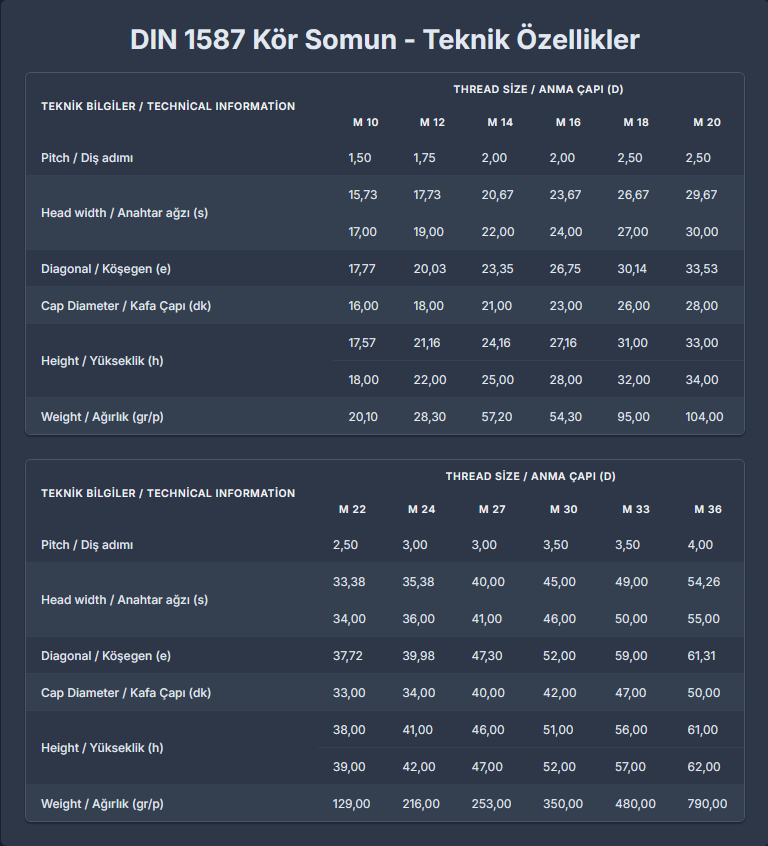
| Feature | |
| Standard | DIN 1587 – Hexagon Socket Head Cap Screw |
| Material | Carbon Steel, Alloy Steel, Stainless Steel |
| Material Quality | 5, 6, 8, A2, A4 |
| Coating | Electrogalvanized (White/Yellow), Nickel, Chrome, Hot-Dip Galvanized (HDG) |
| Tooth Type | Metric Coarse Thread, Metric Fine Thread (optional) |
| Measurement Range | From M4 to M64 |
| Production Method | Cold Forging, Machining |
| Thread Direction | Right-Hand Thread (standard) / Left-Hand Thread (upon request) |
- Systems where connection points must be protected from external factors
- Aesthetic applications on visible connection surfaces
- Automotive industry: Engine covers, wheel systems
- White goods and household appliances: Decorative fittings
- Electrical panels and junction boxes
- Closed-end assemblies in furniture and interior design systems
- Areas with high risk of corrosion in outdoor environments
- Protection of bolt and stud thread ends against impact or dust
- ISO 9001:2015 Quality Management System
- ISO 14001:2015 Environmental Management System
- ISO 45001:2018 Occupational Health and Safety Management System
- EU Declaration of Conformity (PED) certificate (Compliance with the Pressure Equipment Directive)
- Our production processes, DIN, EN, ISO, and ASTM is fully compliant with the standards
- Upon request EN 10204 3.1 certificate is provided
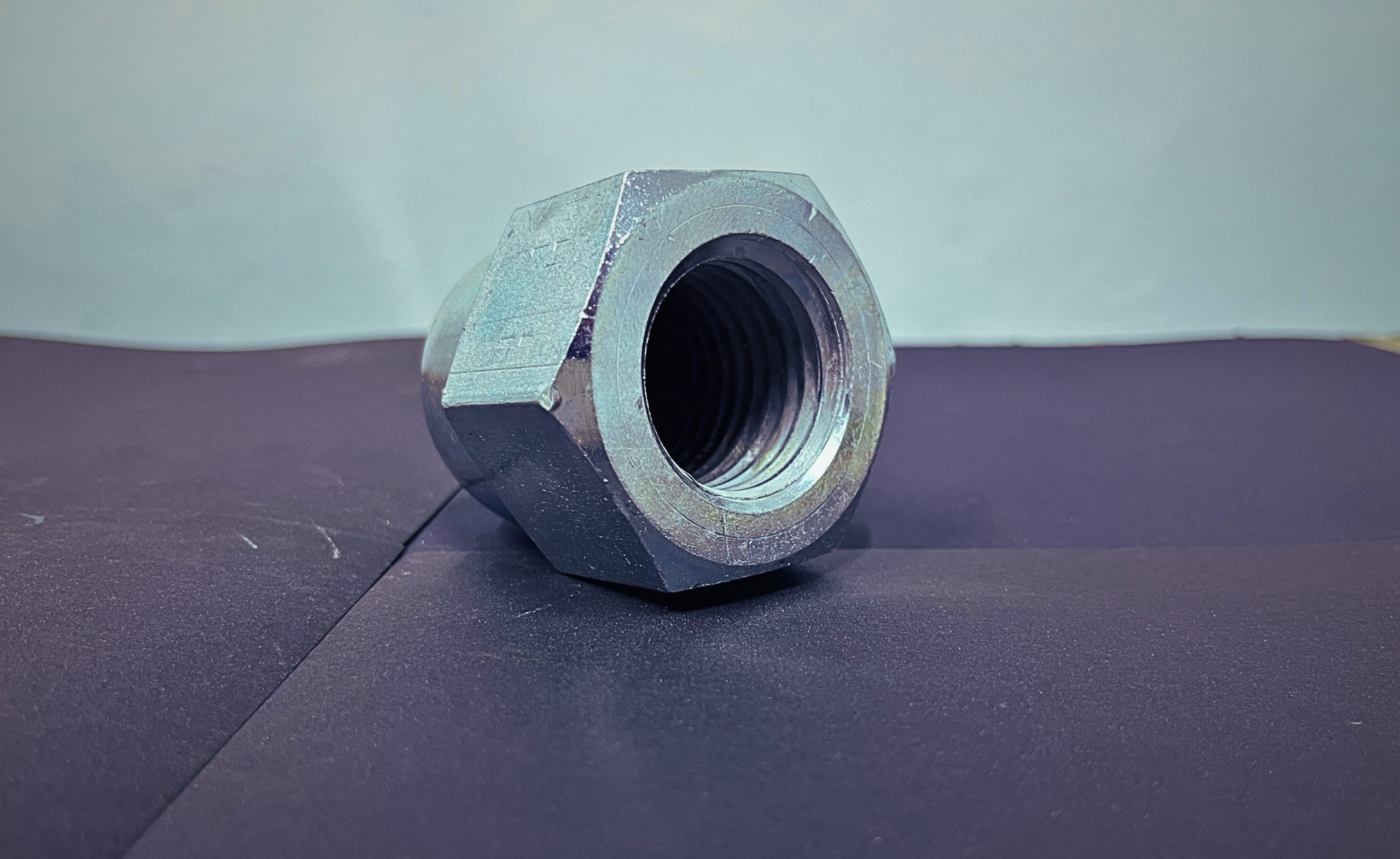
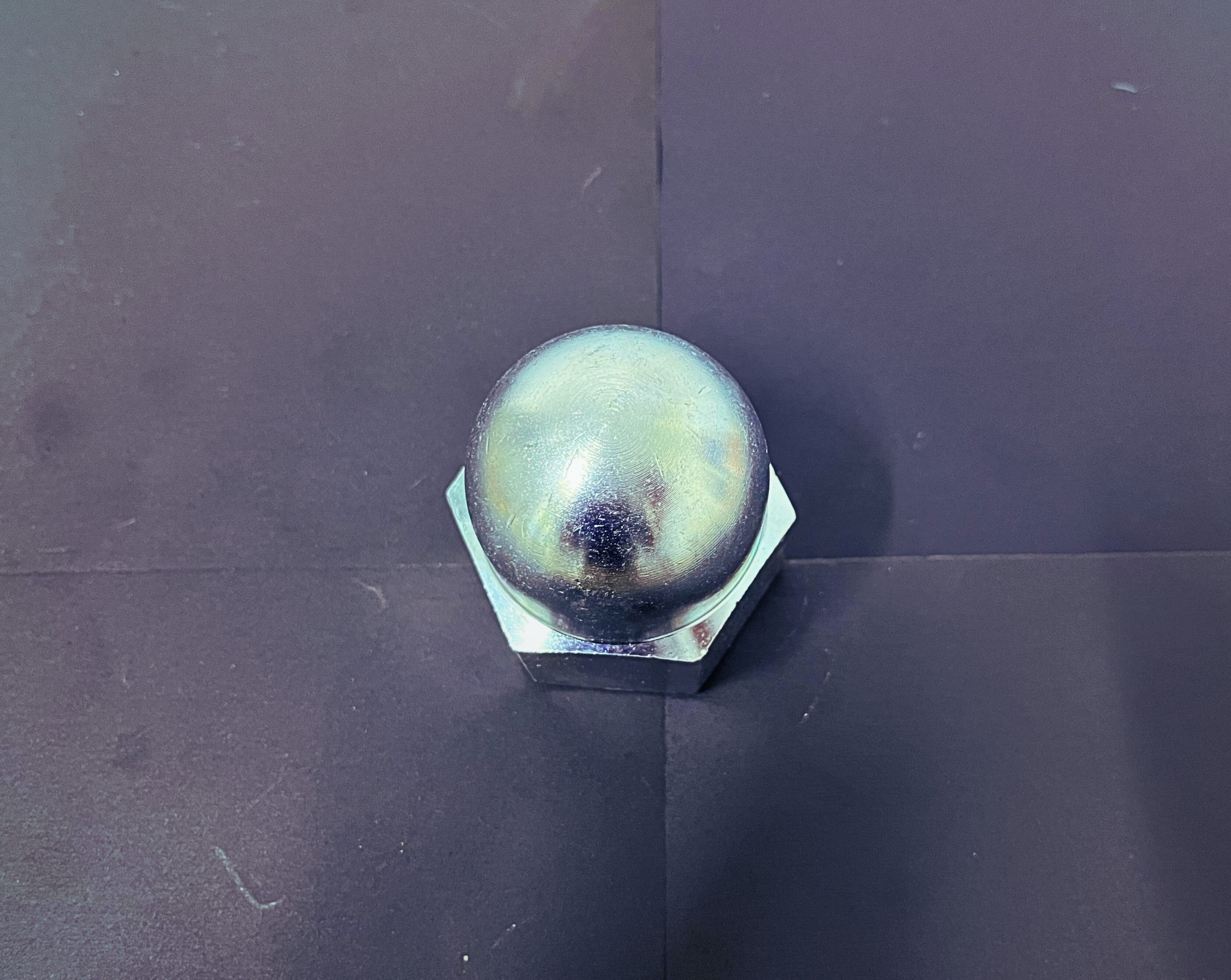
DIN 1587 is a standard for nuts with an external hexagonal shape and a domed, closed top. This design protects the threaded ends of fasteners from external factors and provides an aesthetic appearance. It is typically preferred in applications where exposed threaded ends need to be covered.
DIN 1587 blind nuts can be manufactured from different materials depending on the application and environmental conditions:
Carbon Steel: Provides sufficient mechanical strength for general-purpose applications.
Stainless Steel (A2/A4): Offers high resistance to corrosion. Suitable for humid, outdoor environments or areas with chemical interactions.
RiceUsed for electrical conductivity and decorative connections.
The choice of coating (e.g., electrogalvanizing, hot-dip galvanizing, nickel, or chrome) should be determined based on the environmental conditions to which the connection will be exposed and the required corrosion resistance.
DIN 1587 nuts are commonly used in the following industries:
Automotive: Engine covers, wheel systems, and external connections
White goods and household appliances: Aesthetic surface connections
Electrical panel systems: For insulation and safety purposes
Furniture and interior decoration: Visible surface connections
Exterior facade and building installations: Applications requiring corrosion resistance and visual appeal
These nuts are preferred as fasteners that provide both protection and visual integrity.

 Türkçe
  English
  Русский
  Deutsch
  العربية