





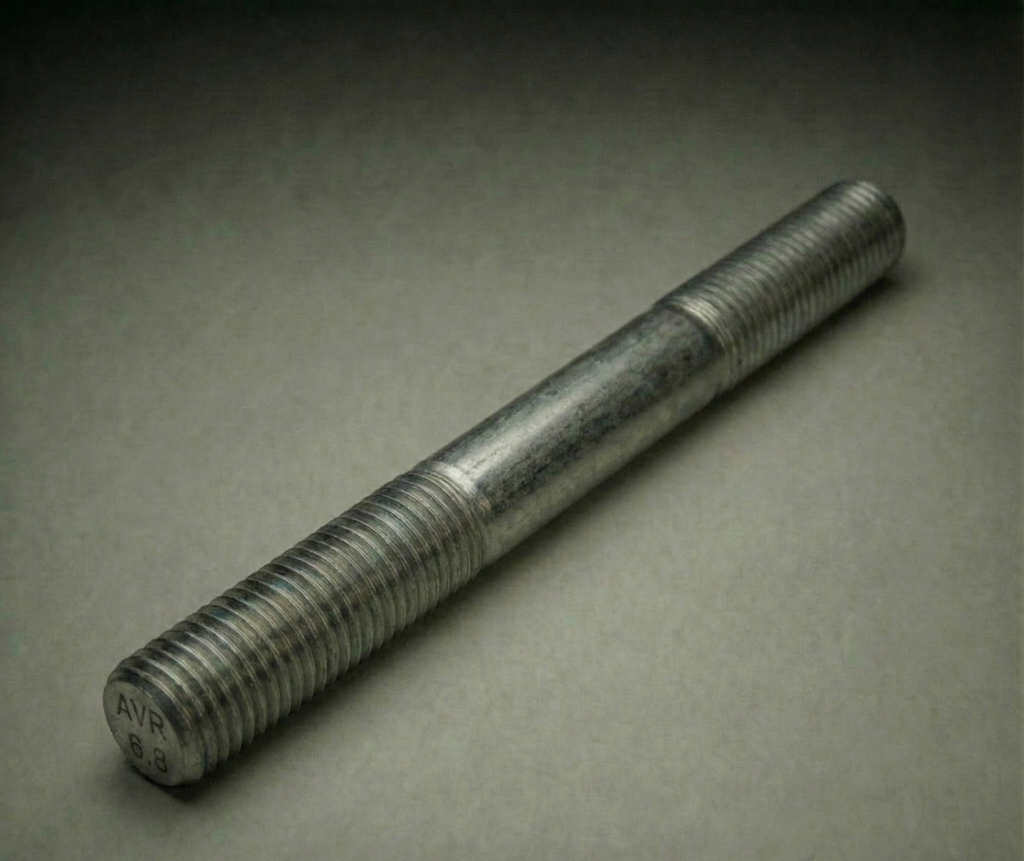
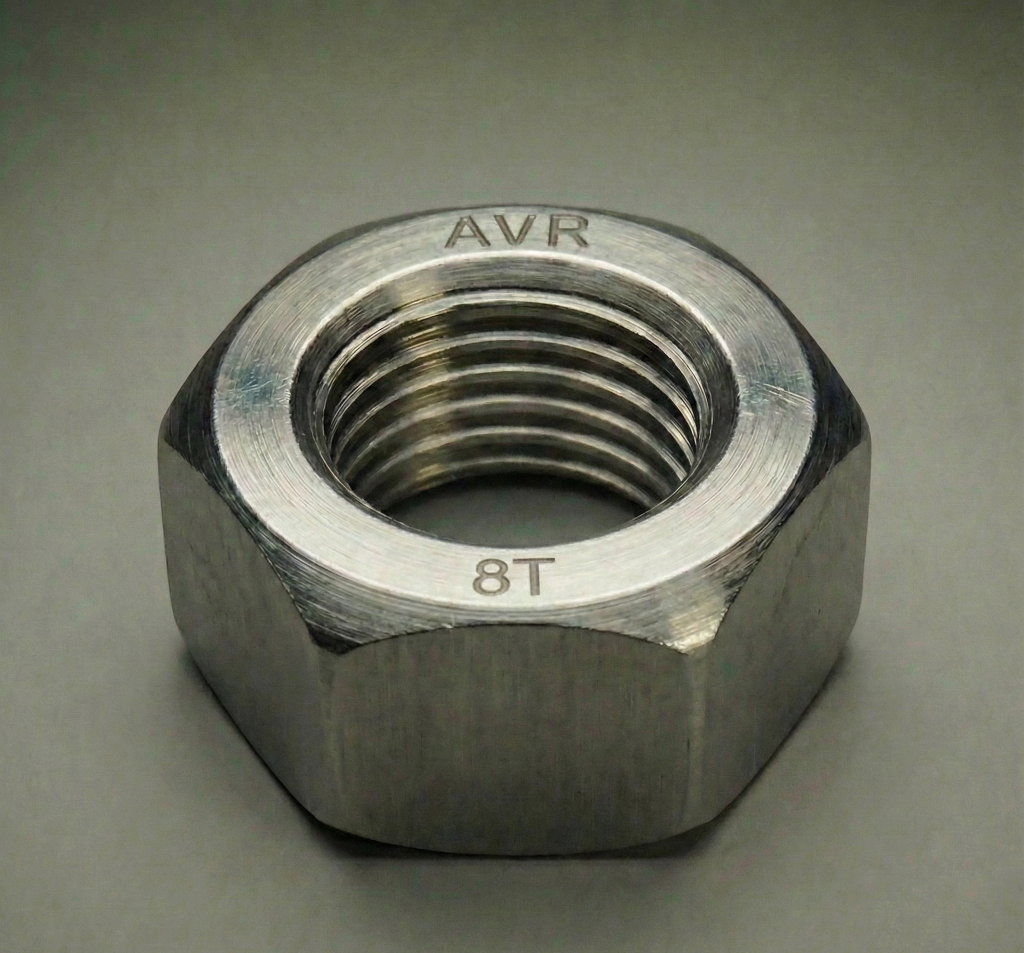
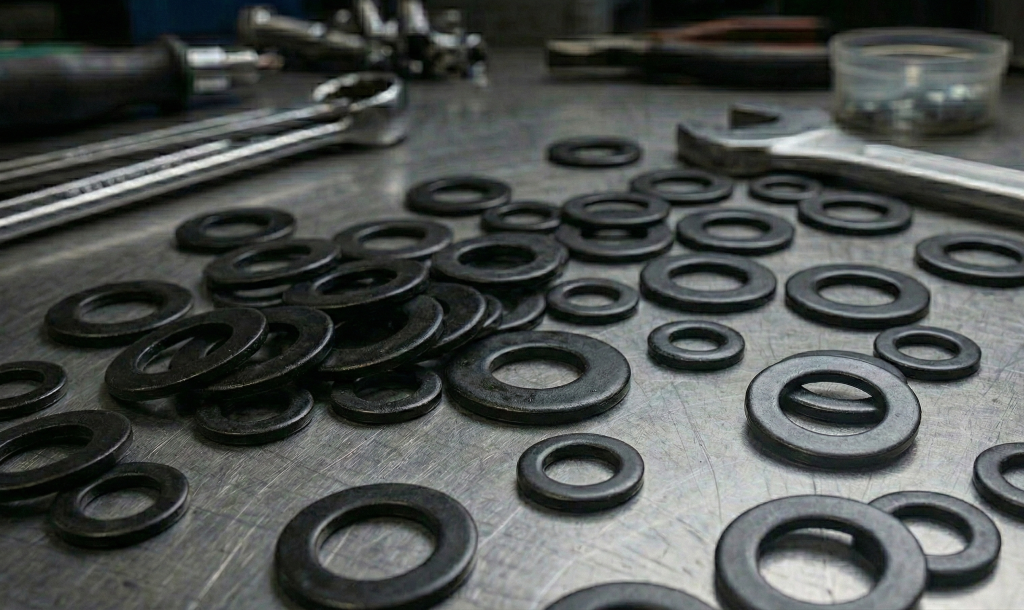
Anchors threaded at both ends, are fasteners used to securely join concrete and steel structural elements. These anchors, which are threaded at both ends, provide high tensile and shear strength by using with elements such as nuts and washers. They are generally preferred in areas such as building reinforcement, machine assembly, steel construction and industrial equipment fixing.
These products can be produced in different thread types, lengths and steel grades according to customer requirements.
| Feature | |
| Type | Double-Ended Threaded Rod Anchor |
| Material | Carbon Steel, Alloy Steel, Stainless Steel (304, 316) |
| Tooth Type | Metric (Coarse/Fine), UNC / UNF (inch), Trapezoidal, Whitworth |
| Length | 100 mm - 3000 mm (special lengths can be produced upon request) |
| Diameter Range | M10 - M100 / 1/2″-3″ |
| Production Method | Grinding or machining |
| Coating | Electrogalvanized (White/Yellow), Hot-Dip Galvanized (HDG), Nickel, Black Oxide, Geomet |
| Thread Direction | Right-Hand Thread (standard) / Left-Hand Thread (upon request) |
- Fixing applications in reinforced concrete floor and ceiling connections
- Column-beam connections in steel structure systems
- For fixing machine base plates
- Assembly of prefabricated building elements
- Foundation anchoring applications in infrastructure projects
- Anchoring systems for wind turbines, bridges and large-scale constructions
- ISO 9001:2015 Quality Management System
- ISO 14001:2015 Environmental Management System
- ISO 45001:2018 Occupational Health and Safety Management System
- EU Declaration of Conformity (PED) certificate (Compliance with the Pressure Equipment Directive)
- Our production processes, DIN, EN, ISO, and ASTM is fully compliant with the standards
- Upon request EN 10204 3.1 certificate is provided
It is widely used in concrete and steel structure connections, fixing machine equipment to the ground, steel column connections, tunnel and infrastructure projects.
No, the diameter and length can be fully customized according to the project.
Both types can be used, but the choice depends on the application.
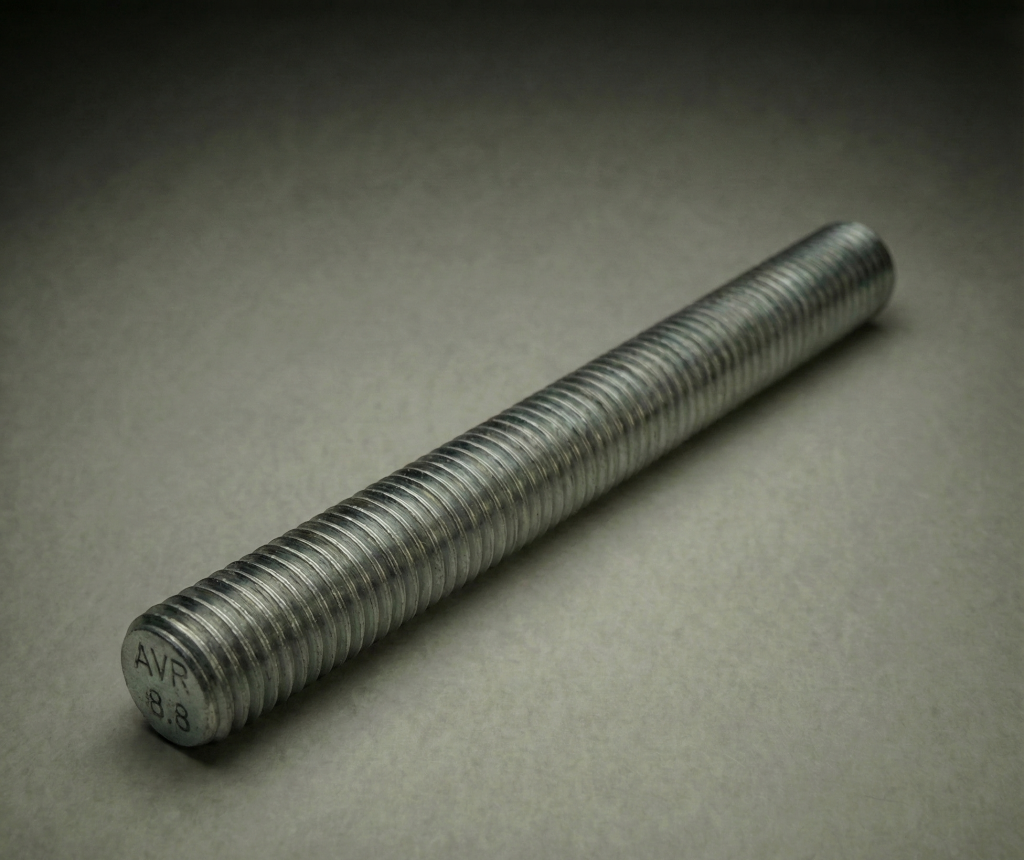
Full threaded studs, is preferred for short distance connections or systems that do not require sealing.
Partial threaded studs is generally preferred when higher strength is required, when the toothless part is required to bear the cutting force.
Factors such as the type of connection, the need for strength and ease of installation are decisive in the choice.

 Türkçe
  English
  Русский
  Deutsch
  العربية