





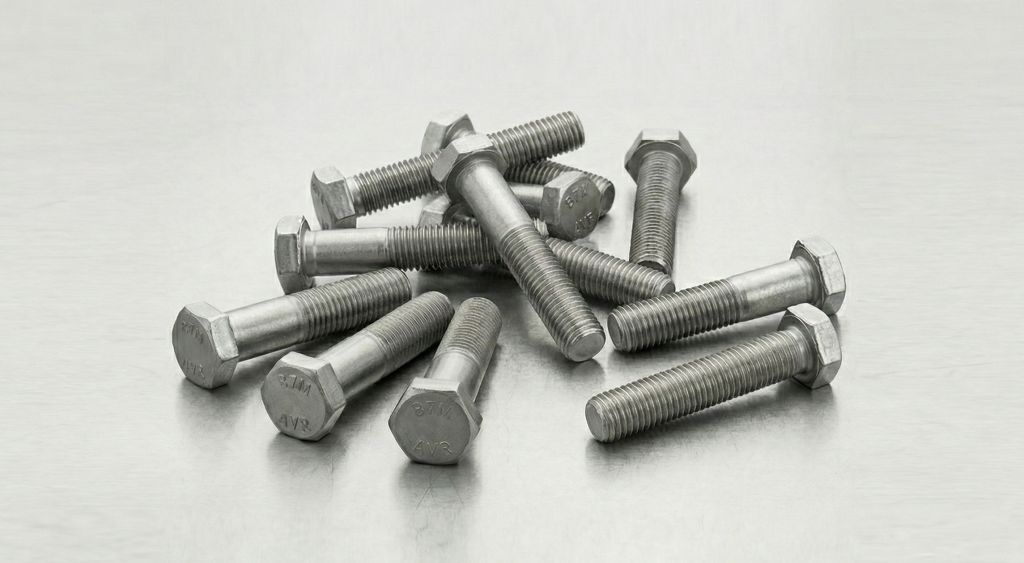
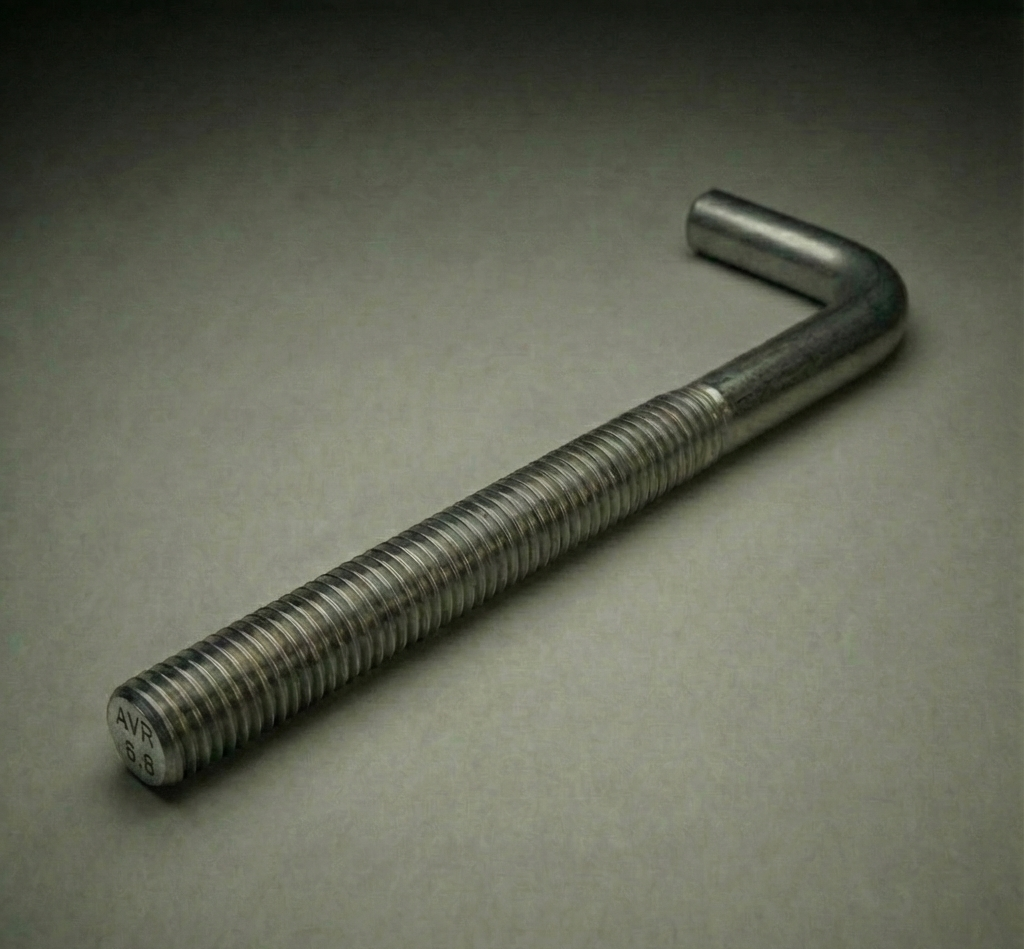
ASTM A193 Grade B7M, manufactured in accordance with the ASTM A193 standard, is a fastener developed for applications requiring high strength. Grade B7M bolts are particularly in environments containing hydrogen sulfide, in acid gas applications, petrochemical and refinery systems, in pressure- and temperature-sensitive processes is preferred.
| Feature | |
| Standard | ASME |
| Material | Alloy Steel |
| Type | Hex Head Bolt |
| Quality | ASTM A193 Grade B7M |
| Coating | Electrogalvanized (E.Zn.), Hot-Dip Galvanized (T.Zn.), Nickel, Black Oxide, Geomet, PTFE |
| Tooth Type | Metric (Coarse/Fine) – UNC / UNF |
| Measurement Range | M10 to M64, 1/2″-2 1/2″ |
| Production Method | Hot forging or machining |
| Thread Direction | Right-Hand Thread (standard) / Left-Hand Thread (upon request) |
- Hydrogen sulfide-containing pipelines and valve systems
- Petrochemical and gas plants
- High-pressure steam and gas lines
- Acidic and corrosive environments
- Offshore platforms
- Refinery reactor connection equipment
- ISO 9001:2015 Quality Management System
- ISO 14001:2015 Environmental Management System
- ISO 45001:2018 Occupational Health and Safety Management System
- EU Declaration of Conformity (PED) certificate (Compliance with the Pressure Equipment Directive)
- Our production processes, DIN, EN, ISO, and ASTM is fully compliant with the standards
- Upon request EN 10204 3.1 certificate is provided
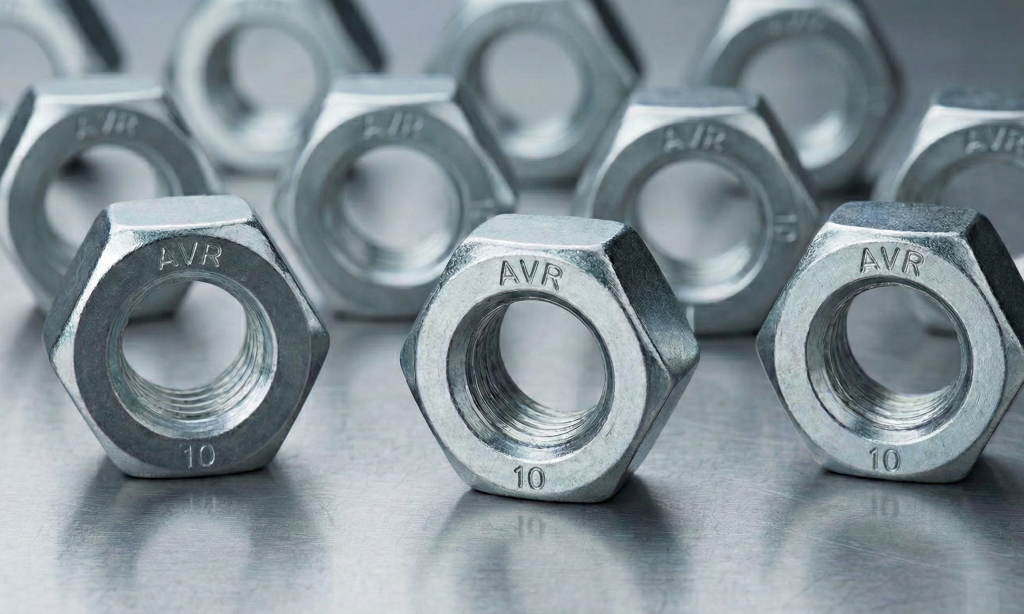
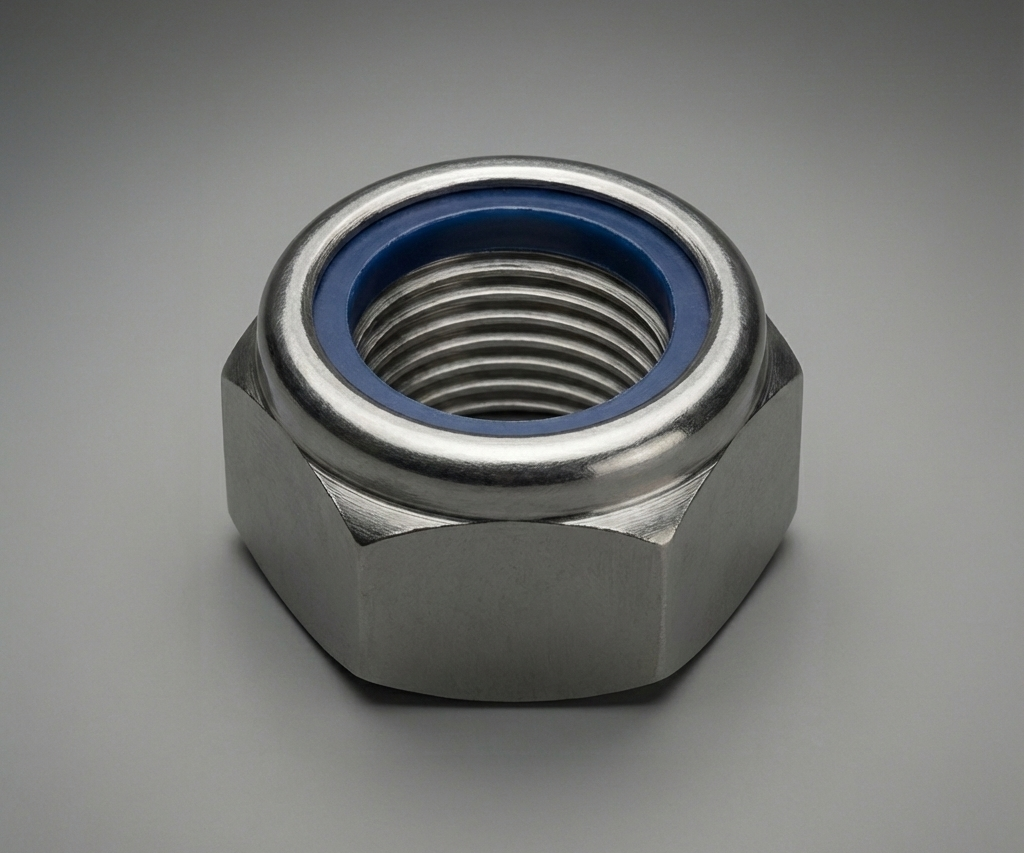
Generally ASTM A194 Grade 2HM or Grade 7M Bolts are preferred. These bolts also have heat treatment and mechanical properties compatible with B7M.
Standard B7 screws are used with 2H nuts, B7M pegs must ASTM A 194 Grade 2HM should be used with nuts.
Although B7M may appear to be a “weaker” bolt, its production cost is significantly higher. This is because, in addition to the standard production process, a precise heat treatment to reduce hardness is required.

 Türkçe
  English
  Русский
  Deutsch
  العربية